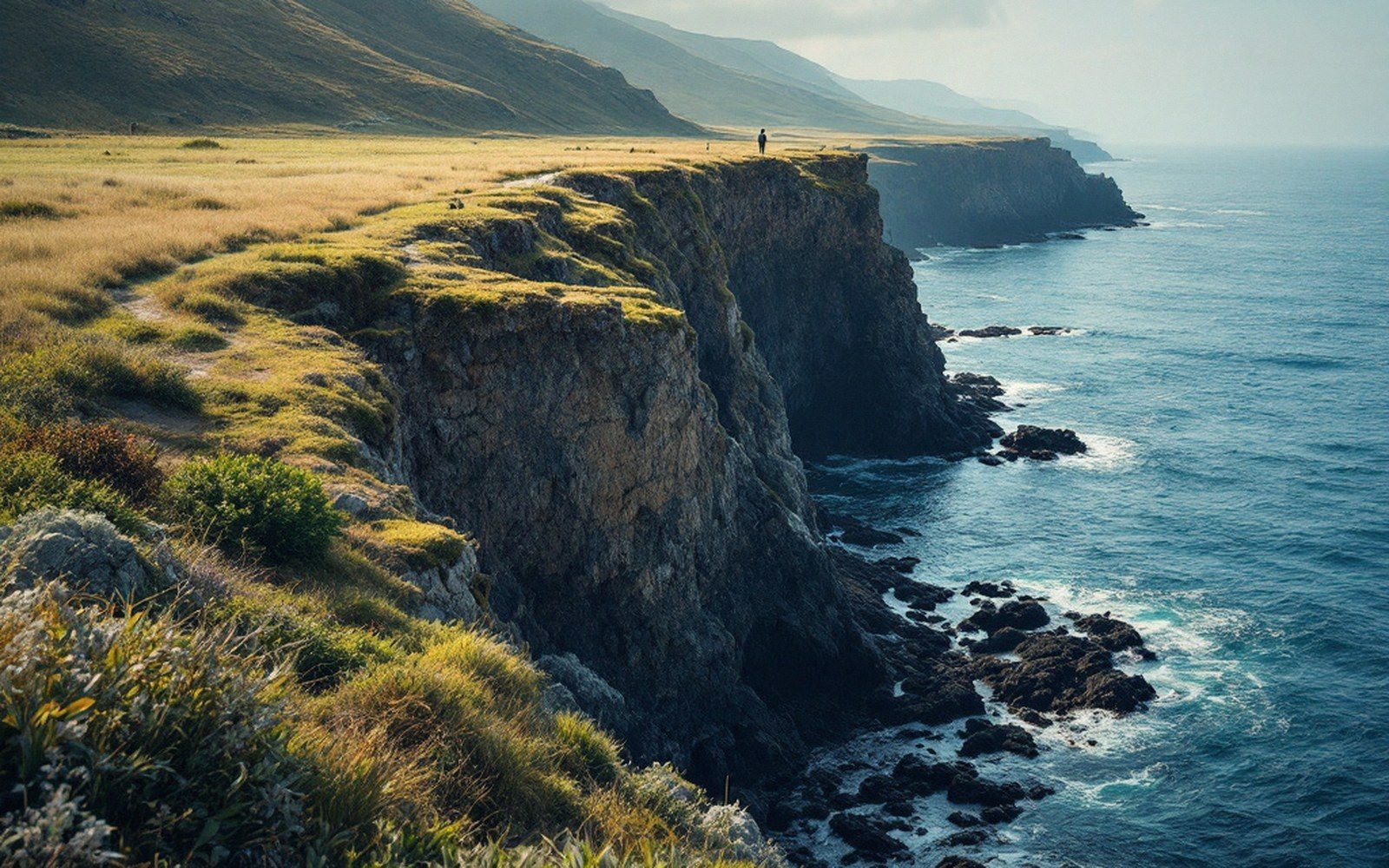
The crust remembers the load
Ice sheets are heavy. At the peak of the last glacial maximum, the Laurentide Ice Sheet sat roughly three kilometres deep over what is now Hudson Bay, and the crust beneath it was depressed by hundreds of metres into the plastic mantle below. When the ice melted — largely between about 12,000 and 6,000 years ago — that load lifted. The crust began to rise, and it is still rising.
The process is called isostatic rebound: the mantle, a viscous solid rather than a liquid, flows back toward the vacated space with geological patience. The rock is not elastic in the way rubber is; recovery lags the unloading by thousands of years. Hudson Bay sits at the centre of the former ice mass, and the crust there is rising by roughly one centimetre per year ↗, a rate confirmed by GPS networks and tide-gauge records maintained by Natural Resources Canada. The total remaining uplift, the amount still owed to the crust before it reaches equilibrium, is estimated at more than 100 metres in the Hudson Bay region.
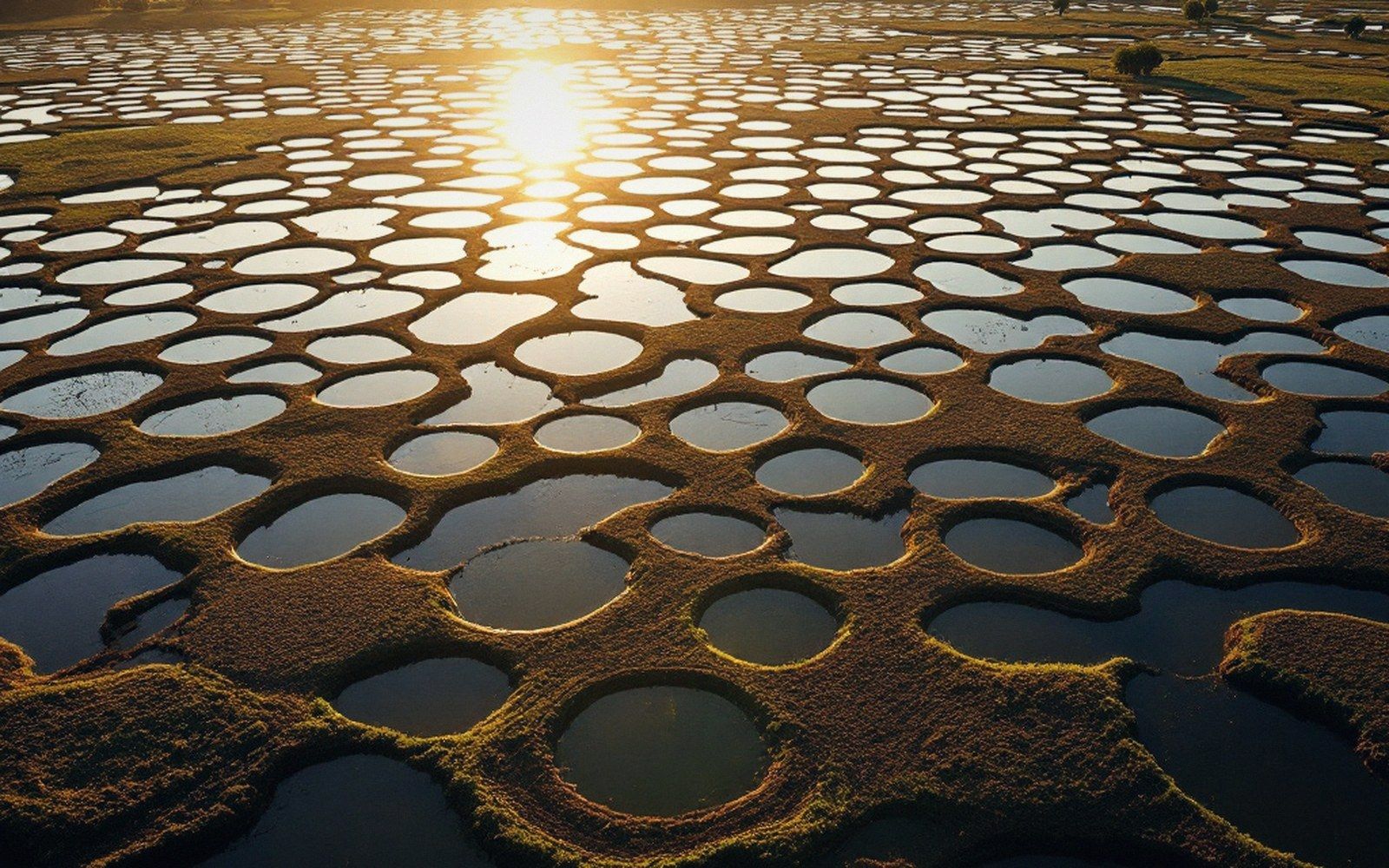
The consequences are visible and measurable at the surface. Shorelines that were submerged — or that sat at sea level — now stand as raised beaches metres above the water. In the Ottawa Valley, in the James Bay lowlands, and along the coasts of northern Quebec and Labrador, old strand lines step up the hillsides like tidelines on a bath. In Scandinavia, where the same process runs on the same timetable, the phenomenon has been documented since the eighteenth century; in Canada, the Geological Survey of Canada ↗ has tracked it through a combination of levelling surveys, satellite geodesy and the stratigraphy of raised marine sediments.
Rebound also shifts drainage. Rivers that flowed toward the coast are slowly tilting as the land lifts unevenly. Near the southern margin of the former ice sheet, where the crust was less deeply loaded, rebound was faster and is largely complete. At the centre, the debt is still being repaid — a transaction between ice, rock and time that operates entirely below the threshold of human sensation but leaves its ledger written in the land.
Key numbers
The load, and the debt
Drawn, not photographed
What to look for on the ground
Terms- Raised beachesformer shorelines now standing metres above present sea level
- Step-like strand lines visible in James Bay lowlands, Ottawa Valley, northern Quebec and Labrador coasts
- Tilting river drainage across the former ice sheet's interior, where rebound is still under way