Two Animals That Defeated the First People Who Found Them
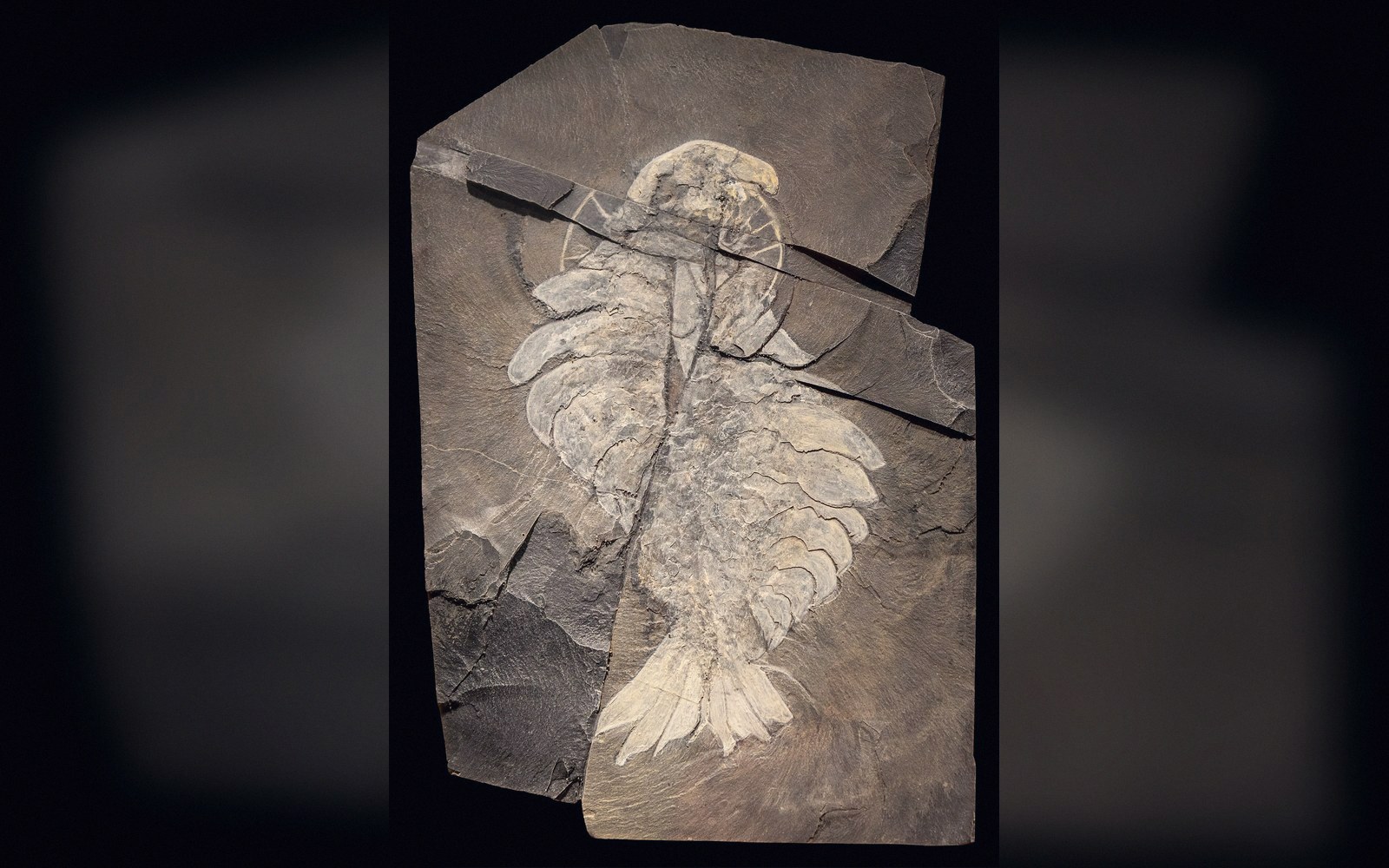
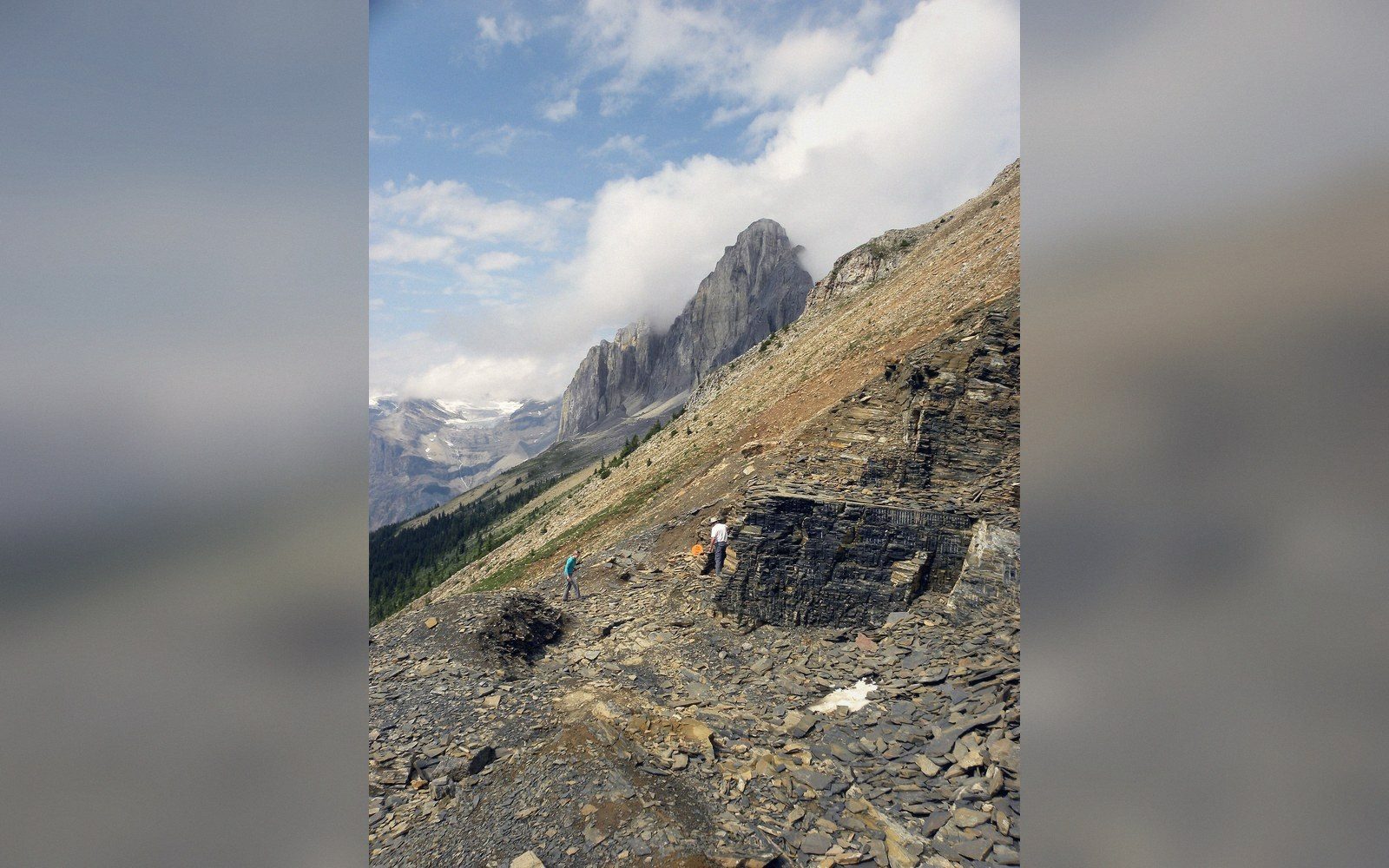
When palaeontologists in the late nineteenth and early twentieth centuries pulled the first pieces of these animals from the Burgess Shale in British Columbia's Yoho National Park, they had no framework to place them in. The parts were so unlike anything alive — or anything yet named from the fossil record — that different researchers described each fragment as a separate creature. The errors persisted for decades.
The appendage of Anomalocaris canadensis — a curved, segmented limb now understood to sit on either side of the animal's head — was first described in 1892 as a crustacean body. The circular, toothed mouth was reported separately as a jellyfish. The soft, shrimp-like trunk that held these structures was either overlooked or misattributed. Charles Doolittle Walcott, who excavated the Burgess Shale systematically from 1909 onward and sent specimens to the Smithsonian Institution, catalogued the mouth as Peytoia nathorsti — a disc-shaped organism in its own right. It was not until work by Harry Whittington and his Cambridge students in the 1970s and 1980s that the pieces were fitted together. Anomalocaris — the name means "abnormal shrimp," coined when the appendage alone was known — was in fact a predator that may have reached roughly half a metre in length, making it among the largest animals in Cambrian seas.
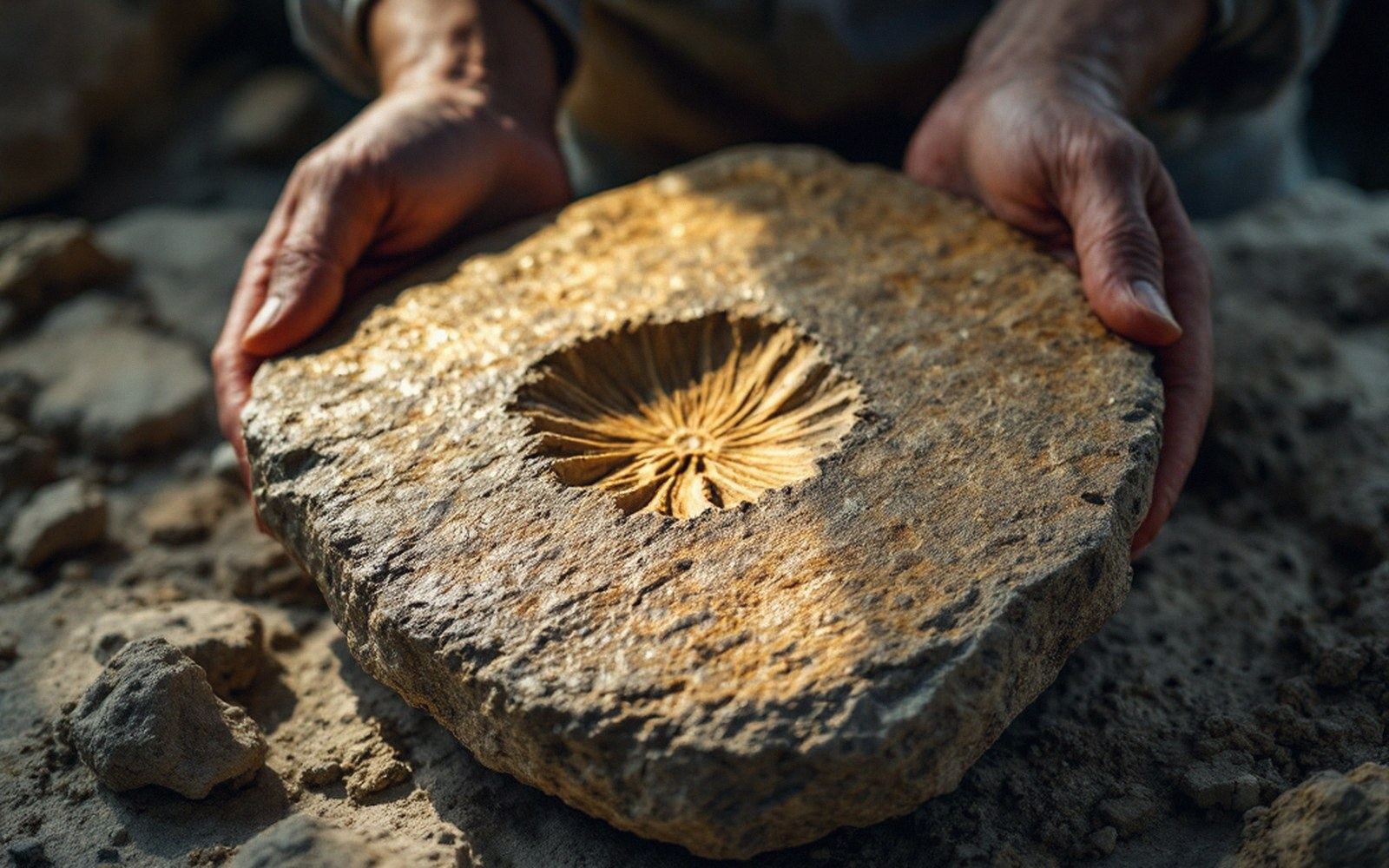
Opabinia regalis fared differently, in that it was always recognised as a single animal. But when Whittington presented his revised reconstruction to the Oxford Symposium on Palaeontology in 1972, the assembled audience reportedly laughed. The creature has five eyes on stalks and a flexible proboscis ending in a grasping claw that faces backward beneath the mouth — a body plan with no living analogue. Whittington's rigorous serial-section work, preparing specimens layer by layer to expose internal anatomy, established that this was not misinterpretation or damaged material. The animal was simply constructed differently from anything that survived into the present.
What the Body Plans Actually Tell Us
Both animals belong to a grade of organisation — not a formal taxon — loosely called the radiodont group, whose members share large frontal appendages, a circular mouth armed with plates or teeth, and segmented, lobed bodies. Current consensus, supported by phylogenetic analysis, places the radiodonts as early members of the panarthropod lineage: the broad grouping that includes living arthropods, velvet worms and water bears. The Burgess Shale preserves soft tissue at a fidelity — eyes, gut traces, appendage musculature — that makes these arguments possible.
The preservation matters because neither animal has hard mineralised armour in the conventional sense. What survives at Burgess, and at comparable Cambrian sites in China's Chengjiang fauna, is carbon film pressed into fine mudstone — the result of rapid burial in low-oxygen conditions that slowed bacterial decay before the animal disappeared. Without those conditions, the reconstruction debate would never have started, because there would be nothing to find.
Reconstruction history
In order- 1892Anomalocaris appendage described as a crustacean
- Early 1900scircular mouth described separately as jellyfish Peytoia nathorsti; trunk overlooked
- 1909 onwardWalcott's systematic Burgess Shale excavations; specimens sent to the Smithsonian Institution
- 1972Whittington presents Opabinia reconstruction; audience response documented
- 1970s–80sWhittington and Cambridge collaborators reassemble Anomalocaris as a single animal
- 2011Compound eyes attributed to Anomalocaris described from Kangaroo Island, Australia
Anomalocaris appendages have since turned up at multiple Cambrian sites on several continents, suggesting the animal or its close relatives were widespread. Eyes consistent with Anomalocaris — compound structures with potentially thousands of lenses — were described from Kangaroo Island, Australia, in 2011, preserved detached but in extraordinary detail. The visual acuity implied by that structure would have made it an effective open-water hunter, not merely a bottom-feeder.
Opabinia remains known almost entirely from Burgess. That rarity, combined with a body plan that sits just outside the arthropod crown group without fitting neatly inside it, keeps it analytically useful: a data point at a branch point in the tree of animal life, where the lineages that would produce every living jointed-legged animal were still sorting themselves out.
Key terms
Terms- Radiodontinformal grouping of early panarthropods with frontal appendages and a circular mouth, including Anomalocaris and Opabinia
- Panarthropodathe broad lineage containing arthropods, velvet worms, water bears, and their extinct relatives
- Carbon filmthe mode of preservation at Burgess: organic material flattened into fine mudstone, retaining outline and sometimes internal structure
- Crown groupthe set of living members of a lineage plus their common ancestor; radiodonts fall outside the arthropod crown group