The Seafloor Under the Ash
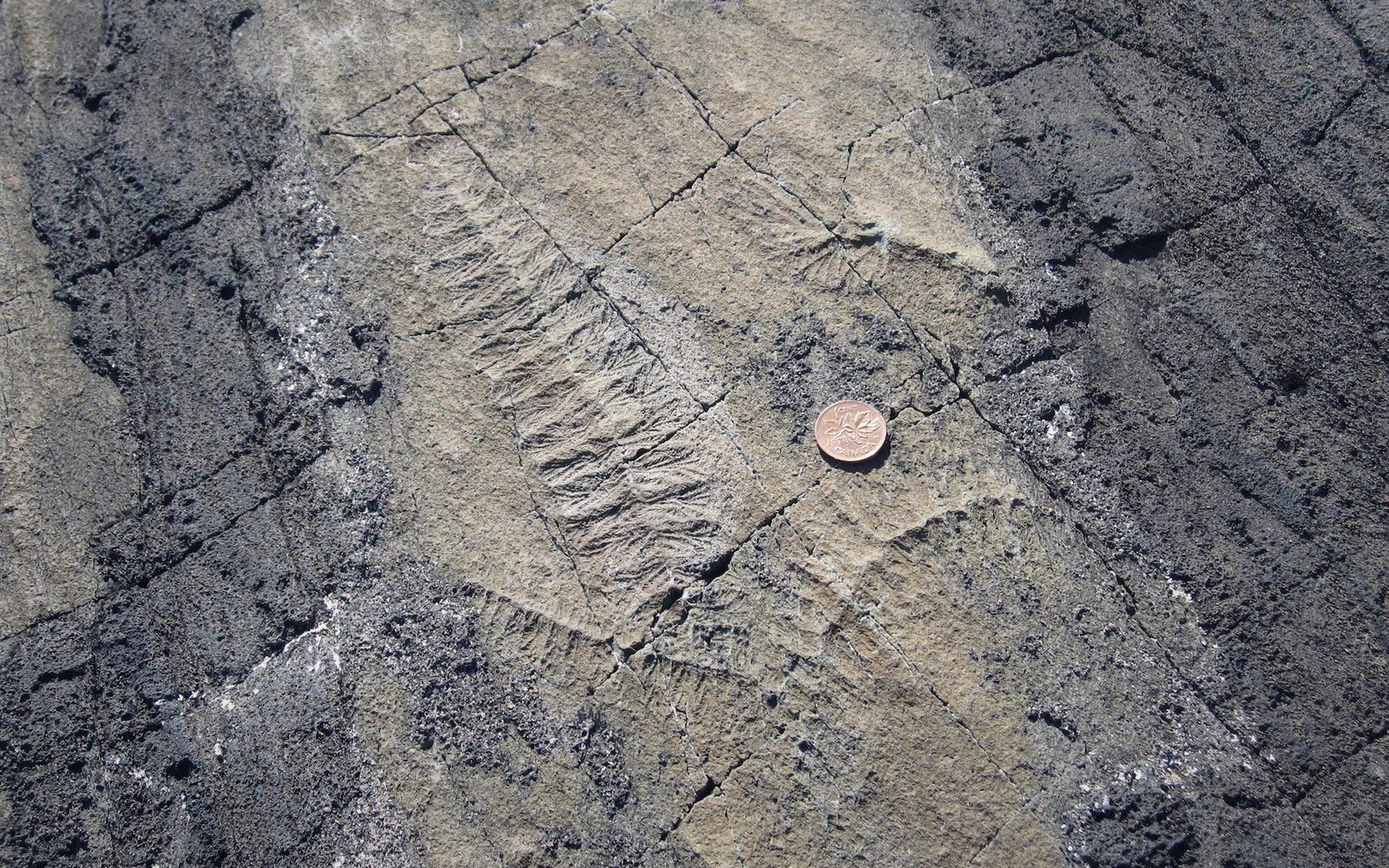
Mistaken Point (46.6333° N, 53.1667° W) sits at the southeastern tip of Newfoundland's Avalon Peninsula, where the Atlantic has stripped the cliff faces back to flat, dark bedding planes. What those surfaces reveal is not rock art or glacial polish but an entire ecological community caught at the moment a volcanic ash cloud settled through deep water and buried it whole. The fossils preserved here are Ediacaran — meaning they predate not just the Cambrian explosion but the appearance of most animal body plans recognizable today. Radiometric dating of the ash layers puts the assemblage at roughly 565 million years old, making Mistaken Point one of the oldest reliably dated lagerstätte on Earth, a site where conditions conspired to preserve organisms that would otherwise leave no trace at all.
The Ediacaran period runs from approximately 635 to 538 million years ago — the last chapter of the Precambrian — and the organisms it produced are among the most debated in palaeontology. At Mistaken Point, they appear as fronds, spindles, discs and branching forms pressed flat into the volcanic tuff. Some reach sixty centimetres in length. The dominant shapes — rangeomorphs — have a fractal, leaf-like architecture unlike anything in the Cambrian or later fossil record, which is itself a significant scientific fact: these were not primitive versions of familiar animals but something structurally distinct, possibly feeding by absorbing dissolved organic matter directly through their surfaces. None had hard parts. That they exist as fossils at all is entirely the result of the ash.
How the Preservation Works
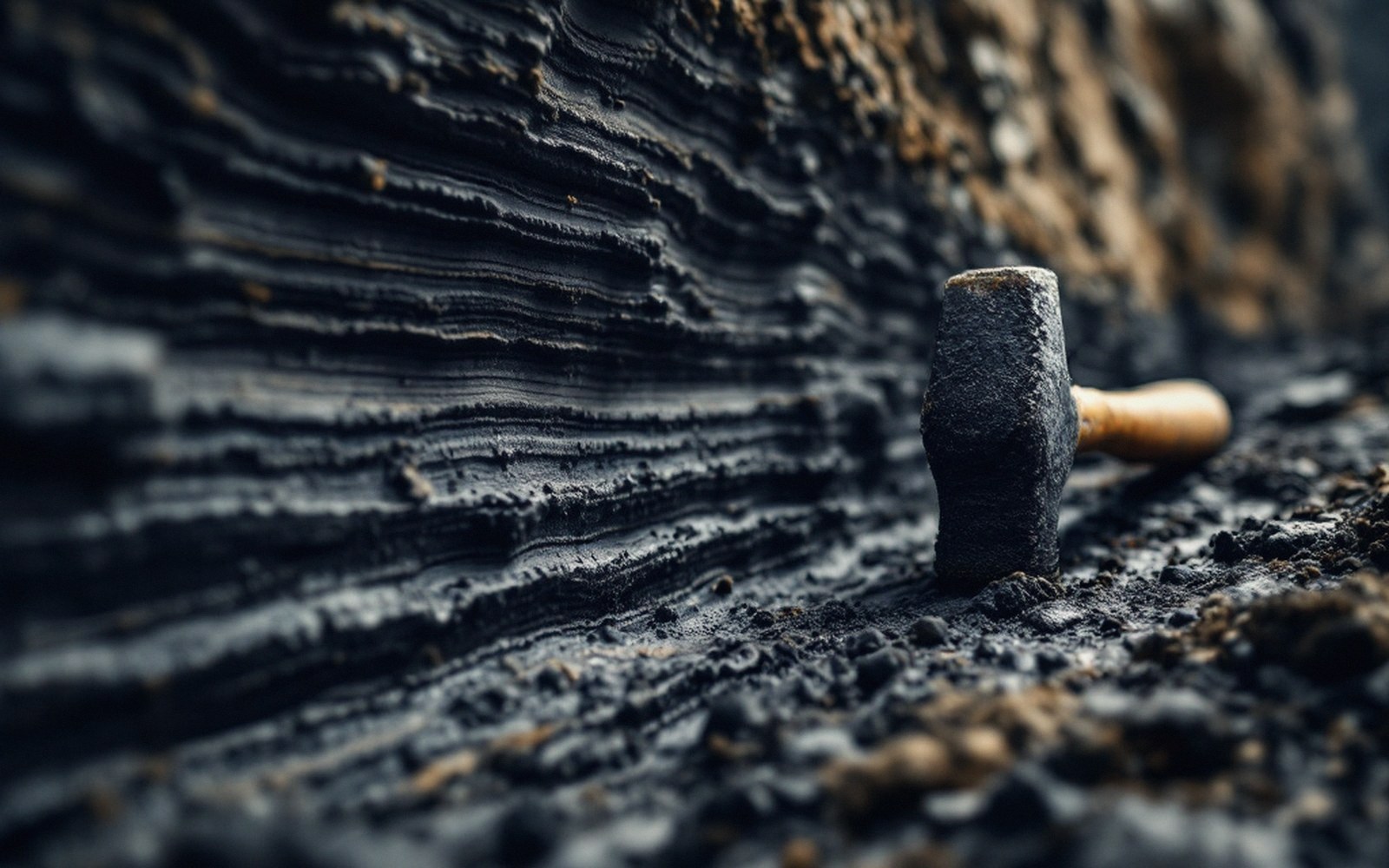
The mechanism is straightforward once you see it. The seafloor community lived in deep, cold, anoxic water well below the photic zone — below sunlight, below most scavengers, in conditions that slow decay. When volcanic ash fell through the water column, it smothered the organisms quickly and uniformly, replicating their surfaces in fine-grained silicate material before bacterial decomposition could erase them. The result is not a body fossil in the conventional sense but an external mould: the ash preserved the shape of each organism's surface against the sediment beneath. Palaeontologists reading a Mistaken Point bedding plane are reading a death assemblage that has not moved — the animals are in the positions they occupied in life, oriented into the current that fed them, which is why the site yields ecological data as well as taxonomic data. Researchers from Memorial University of Newfoundland and institutions worldwide have used the spatial distribution of organisms across individual surfaces to reconstruct community structure half a billion years ago.
The bedding planes at Mistaken Point are the property of the Mistaken Point Ecological Reserve, managed by the Government of Newfoundland and Labrador, with research access governed by permit. Parks Canada ↗ administers the associated national historic site designation. In 2016, UNESCO ↗ inscribed Mistaken Point as a World Heritage Site, citing the quality and age of the preservation and the scientific importance of the Ediacaran assemblage — the only Ediacaran UNESCO site on the planet.
Key numbers
Terms- ~565 million yearsradiometric age of the ash layer sealing the main fossil surfaces
- ~635–538 million years agothe Ediacaran period (last stage of the Precambrian)
- ~508 million years oldage of the Burgess Shale, for comparison
- ~57 million yearsthe gap between the two sites
- Up to ~60 cmlength of some rangeomorph fronds
- 46.6333° N, 53.1667° Wcoordinates of Mistaken Point, Avalon Peninsula, Newfoundland
- 2016year of UNESCO World Heritage inscription
What the Site Has Changed
Before Mistaken Point, the Ediacaran fauna were known primarily from the Ediacara Hills of South Australia and sites in Russia and Namibia, but none of those assemblages were as old, as precisely dated, or as well preserved in community context. The Mistaken Point material helped establish that complex, macroscopic, multicellular life had achieved ecological diversity well before the Cambrian boundary — and that it was not a simple precursor to what came after but a biologically independent experiment. The rangeomorphs have no clear descendants. Whatever selective event ended the Ediacaran period, these organisms did not survive it in recognizable form.
The contrast with the Burgess Shale — roughly 508 million years old, preserving the soft-bodied animals of the early Cambrian — underlines what the gap between the two sites means. Roughly fifty-seven million years separate two of Canada's greatest fossil windows, and the world on either side of that gap was profoundly different. Mistaken Point shows the world before animals as we define them had yet consolidated their body plans. What lies on those cliff-face bedding planes is not an early chapter of familiar life but evidence that life itself had already run one complete experiment and set it aside.
What the organisms were
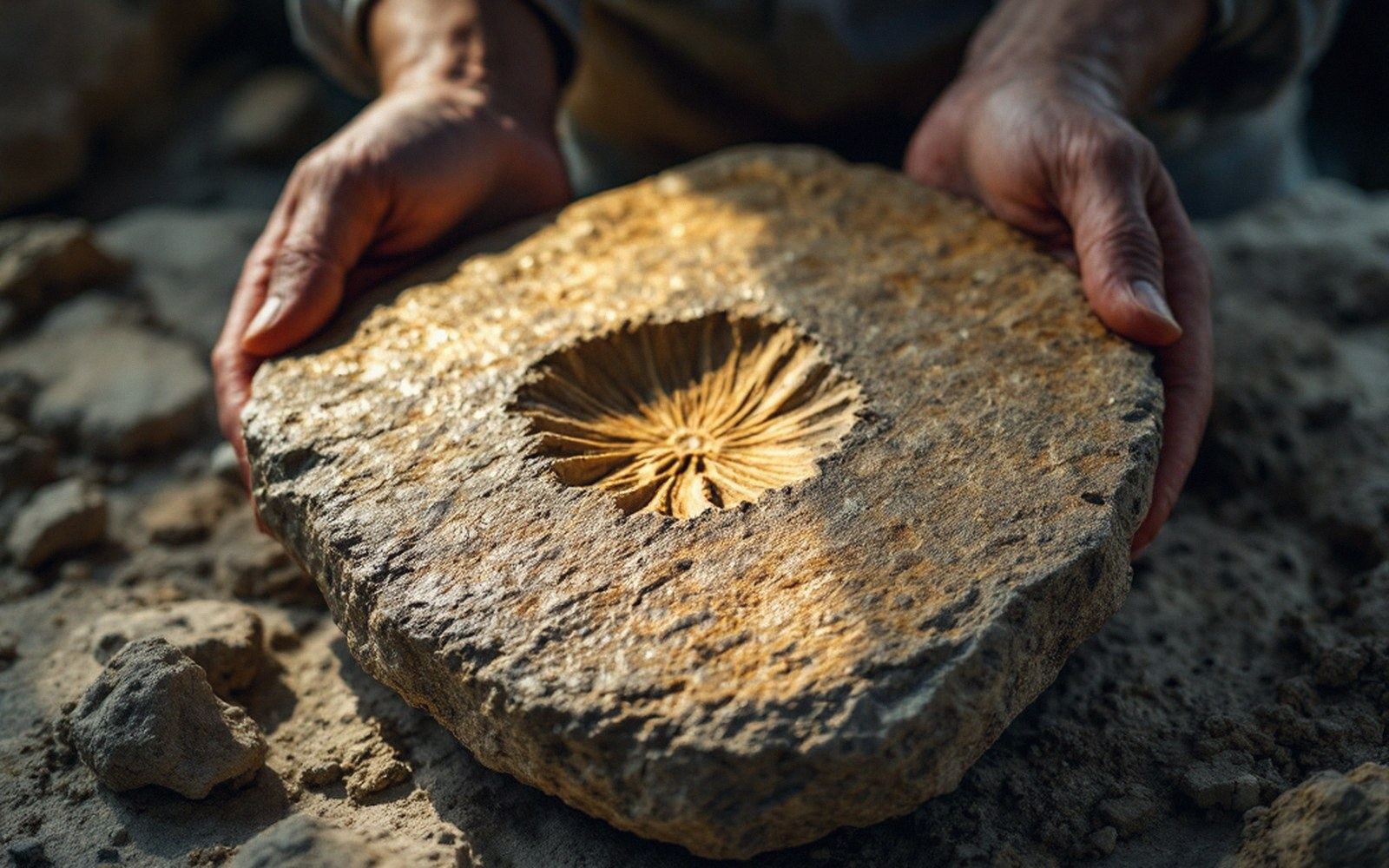
Terms- Rangeomorphsdominant Ediacaran forms at the site; fractal, frond-like body plans with no hard parts and no clear descendants in later fossil record
- Preservation typeexternal moulds in volcanic ash (tuff), not body fossils; organisms recorded as surface impressions
- Life positionanimals preserved where they lived, oriented into paleo-currents