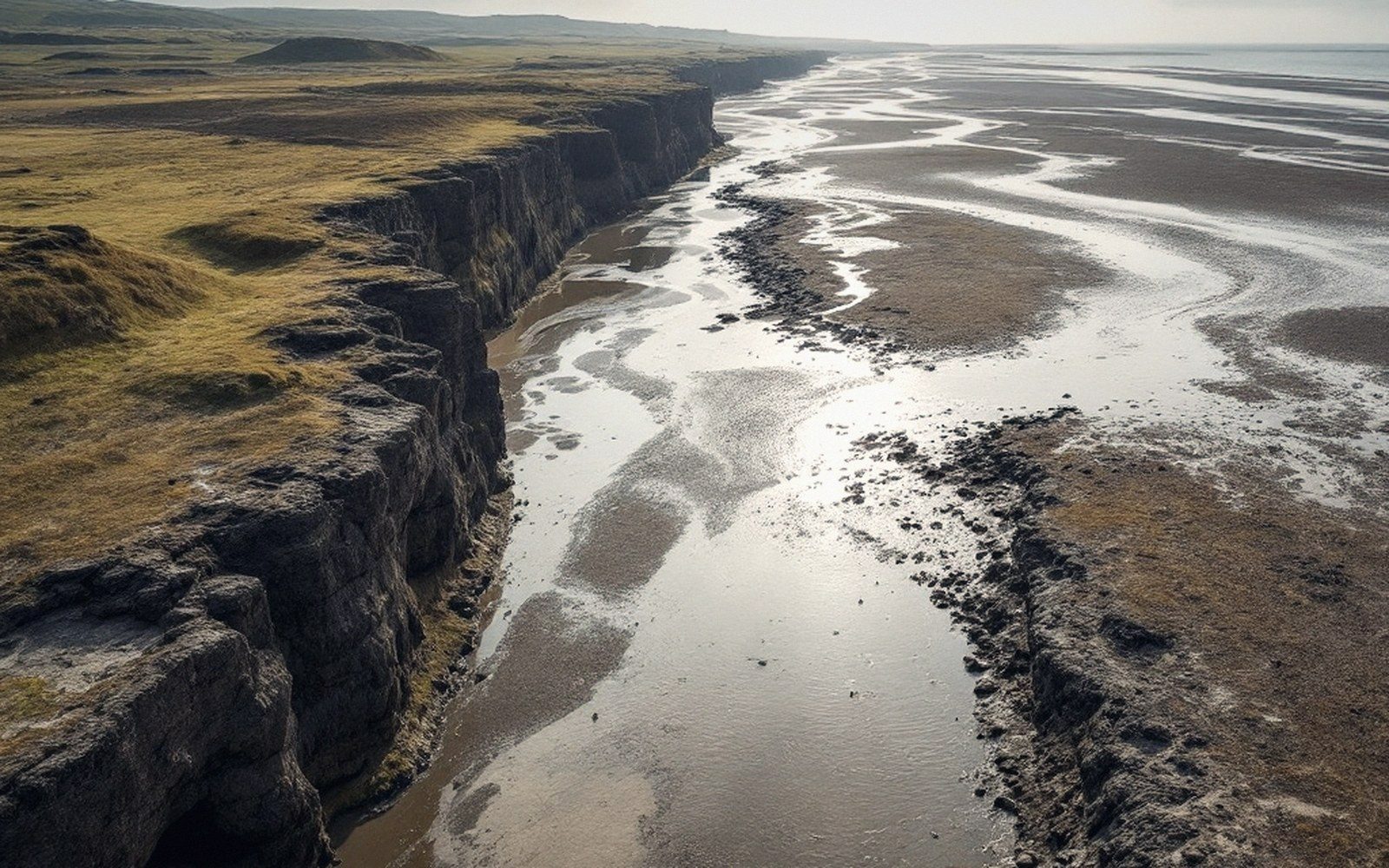
The bay as a tuning fork
Every enclosed or semi-enclosed body of water has a natural period — the time a wave takes to travel from one end to the other and back. For the Bay of Fundy, that period is somewhere close to thirteen hours. The dominant tidal forcing from the Moon and Sun drives the ocean with a period of roughly twelve hours and twenty-five minutes. The match is close enough to matter enormously.
When a driving frequency approaches a system's natural frequency, energy builds rather than disperses. The phenomenon is resonance, and it is the same physics that shatters a wine glass held at the right pitch, or that builds a swing higher with each well-timed push. In Fundy's case, each incoming tidal crest finds the bay already primed by the previous one. Water that would otherwise slosh in and retreat with modest ambition instead accumulates energy over cycle after cycle, pushing the tidal range far above what the open Atlantic delivers.
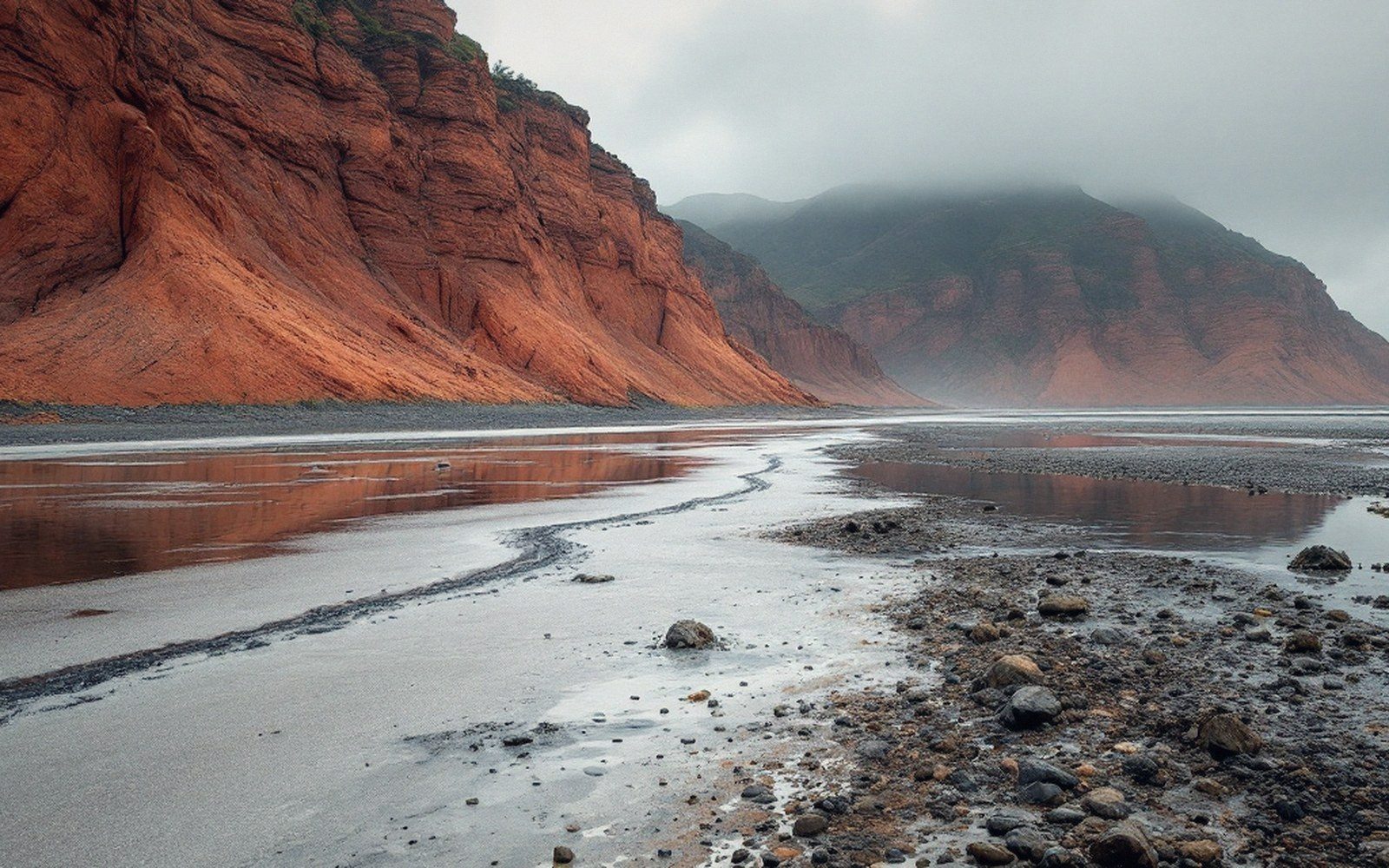
The geometry that controls the natural period is straightforward: period scales with the length of the basin and falls as the square root of depth increases. Fundy runs roughly 270 kilometres from its mouth to its head and shallows as it narrows. The combination produces a sloshing time that sits tantalizingly close to the tidal rhythm. The resonance is not perfect — if it were, the amplification would be theoretically unlimited and checked only by friction. Instead, friction in the shallow water at the bay's head damps the oscillation enough to keep the system stable while still driving tidal ranges at Burntcoat Head, Nova Scotia (45.3°N, 63.9°W), to the highest reliably measured on Earth.
The open Atlantic tidal range at the mouth of Fundy is roughly one metre. By the time that tidal signal reaches the Minas Basin at the bay's innermost end, it has been amplified to somewhere around sixteen metres. Resonance accounts for most of that difference. The narrowing funnel shape concentrates the water further, but without the frequency match, the funnel would be unremarkable. The bay does not create tidal energy; it is an extraordinarily efficient trap for energy the ocean already carries.
Key numbers
Terms- ~13 hoursBay of Fundy's natural oscillation period
- ~12 hours 25 minutesperiod of the dominant lunar semidiurnal tide
- ~270 kmapproximate length of the bay from mouth to head
- ~1 metreopen Atlantic tidal range at Fundy's mouth
- ~16 metrestidal range in the Minas Basin at the bay's head
Why the bay amplifies
Drawn, not photographed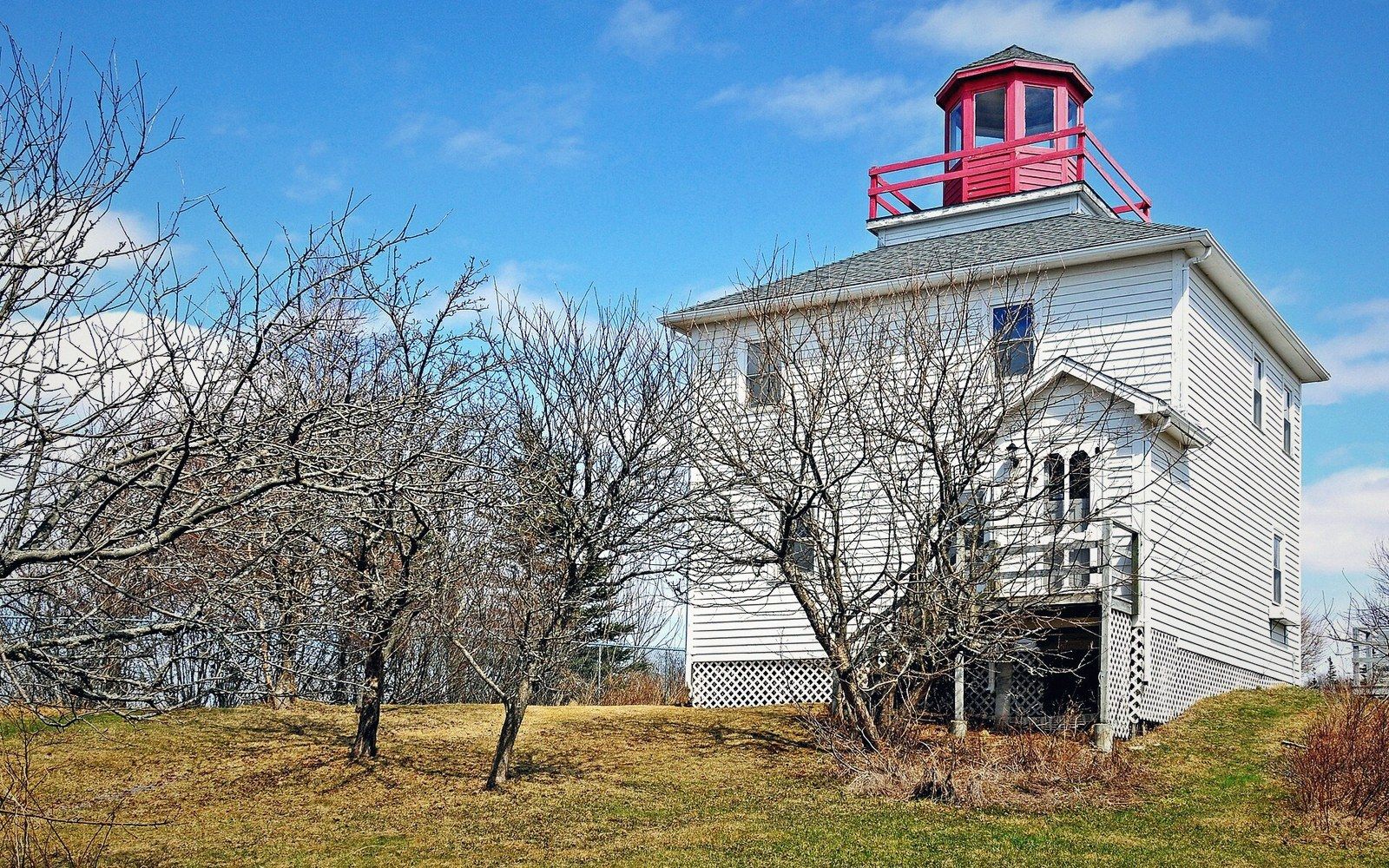
How the physics works
Terms- Natural periodthe time a wave takes to travel the length of a basin and return; controlled by basin length and water depth
- Resonancewhen a driving frequency nears a system's natural frequency, energy accumulates rather than scatters
- Dampingfriction in shallow water limits amplification, keeping the system stable rather than runaway